
Keep South Carolina Wild
February 03, 2022
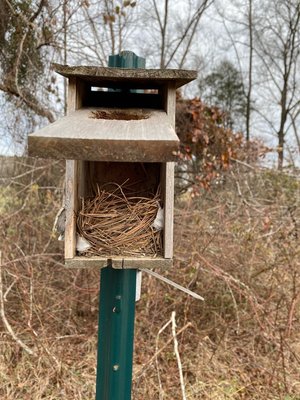
Did you know it’s important to clean out bird boxes so Eastern Bluebirds and other cavity nesters, like the Carolina Chickadee and Tufted Titmouse, will return the following year to build a new nest?
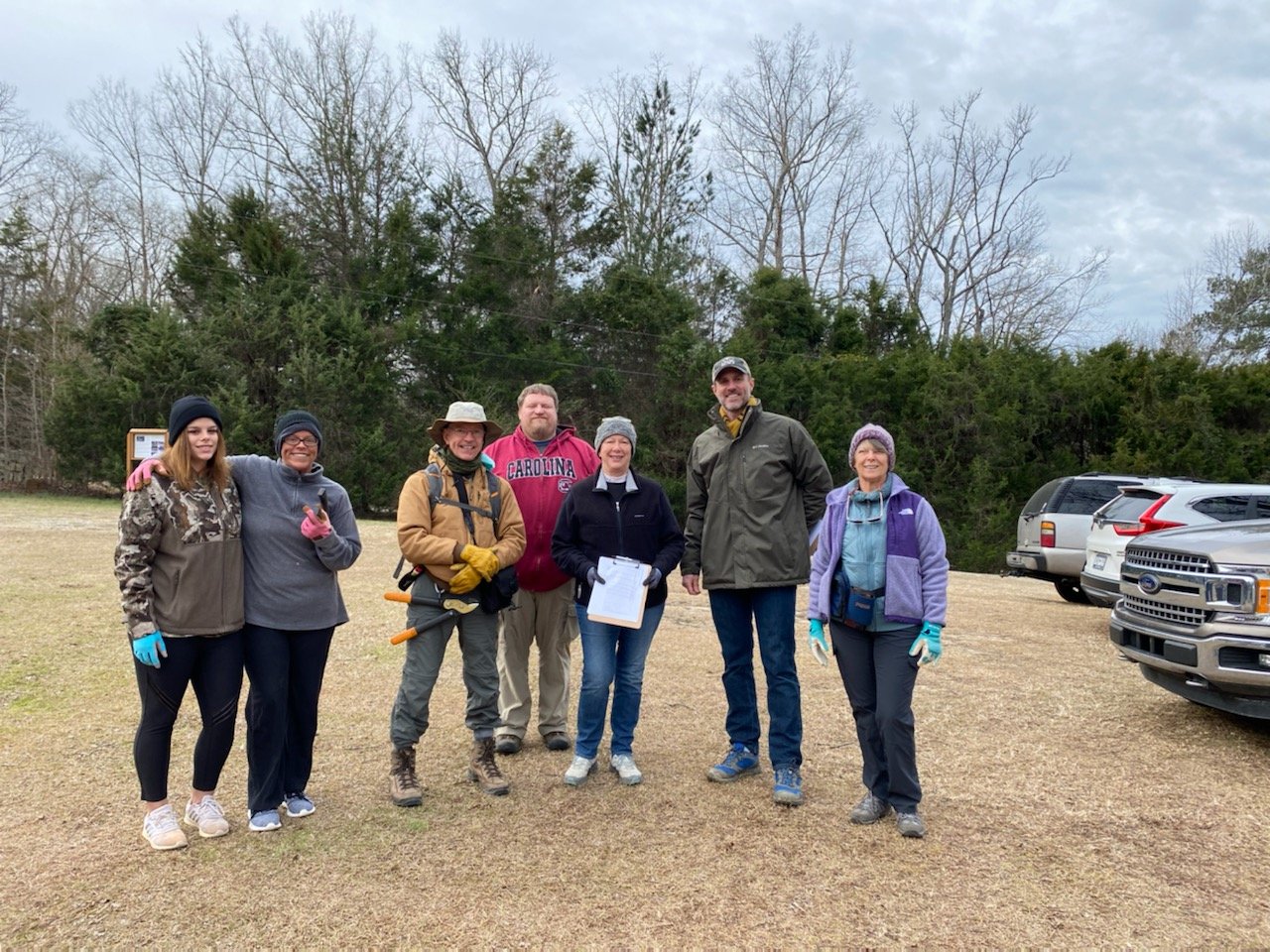
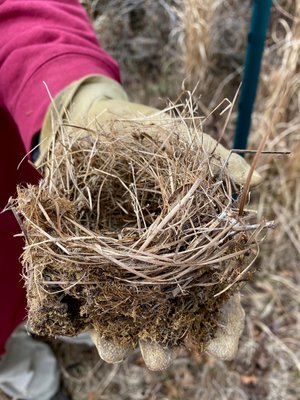
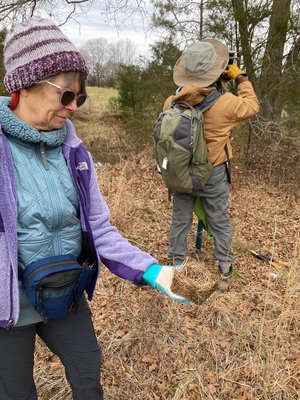
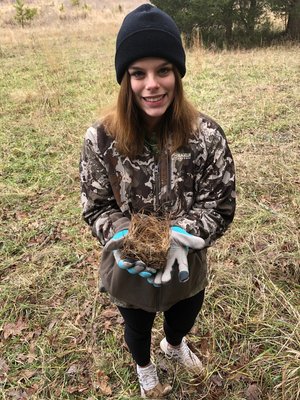
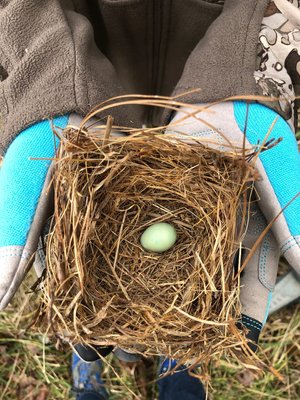
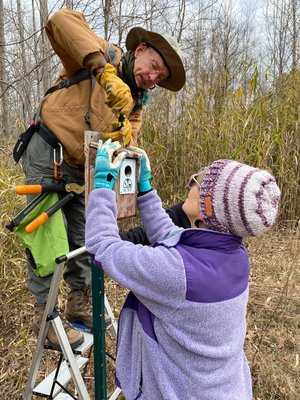
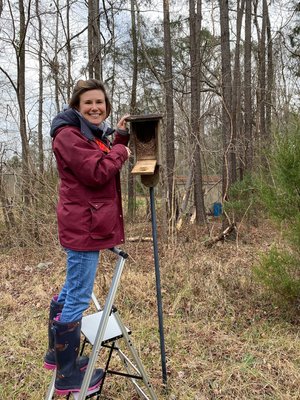
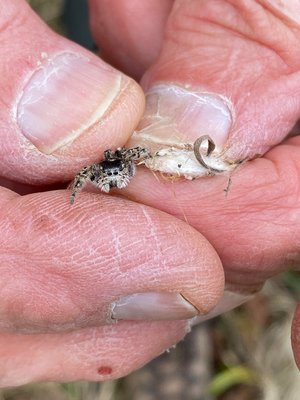
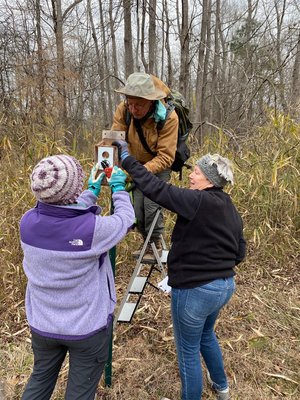
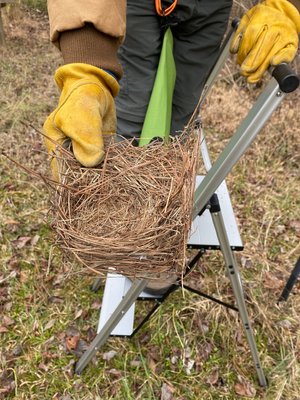
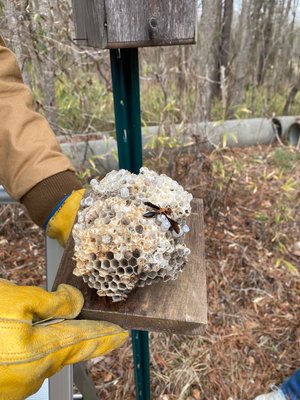
On Friday, January 28, SCWF staff members, Jay Keck and Bev Roberts, were joined by volunteers who cleaned out and collected data from over 30 bird boxes at Camp Discovery in Blythewood, SC. Camp Discovery’s mission is engaging and inspiring through discovery in science and nature. This 116-acre outdoor learning environment is a perfect home for Eastern Bluebirds, Woodpeckers, and other cavity nesters! SCWF’s volunteers removed old nests from last year’s season to make space for the creation of new nests for this year’s breeding season. In addition to cleaning out dormant wasp nests and other debris, repairs were made to damaged boxes, and four were replaced with brand new boxes. They also collected data about the contents of each box, which will be used to help educate the hundreds of students that will visit Camp Discovery in 2022.
Thank you to all of the enthusiastic and helpful volunteers that spent time with us on Friday! We hope to have an even bigger volunteer day next year, during which, we plan to replace around 20 of the boxes with new ones. Hope to see you there next year!
If you would like a bluebird box for your yard, they are available to purchase in SCWF’s office. https://www.scwf.org/merchandise
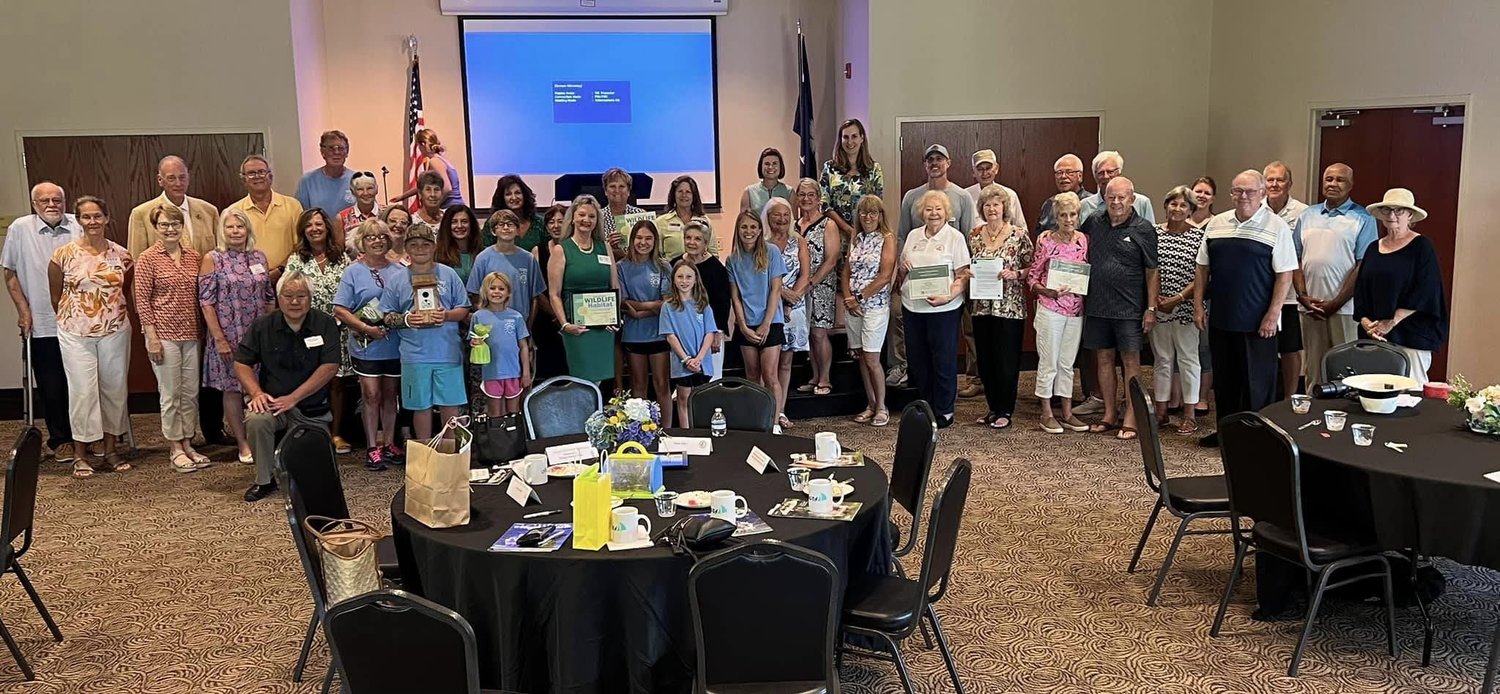
The town of Chapin was recently certified as a Community Wildlife Habitat! Chapin is now the 13th Certified Wildlife Habitat in our state and has joined over 300 other communities...
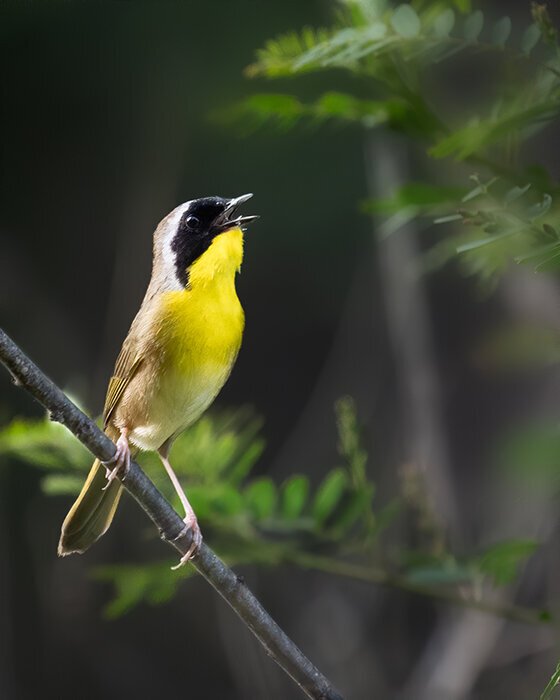
By Jay Keck, Habitat Education Manager for Chapin Magazine Bird. Say it out loud. It’s not the most exciting word in our dictionary, but it represents one of the most...
Want to be the first to know about our events, classes, and volunteer opportunties? Sign up here to receive our monthly eNewsletter in your inbox. It's almost fall! Deer season...